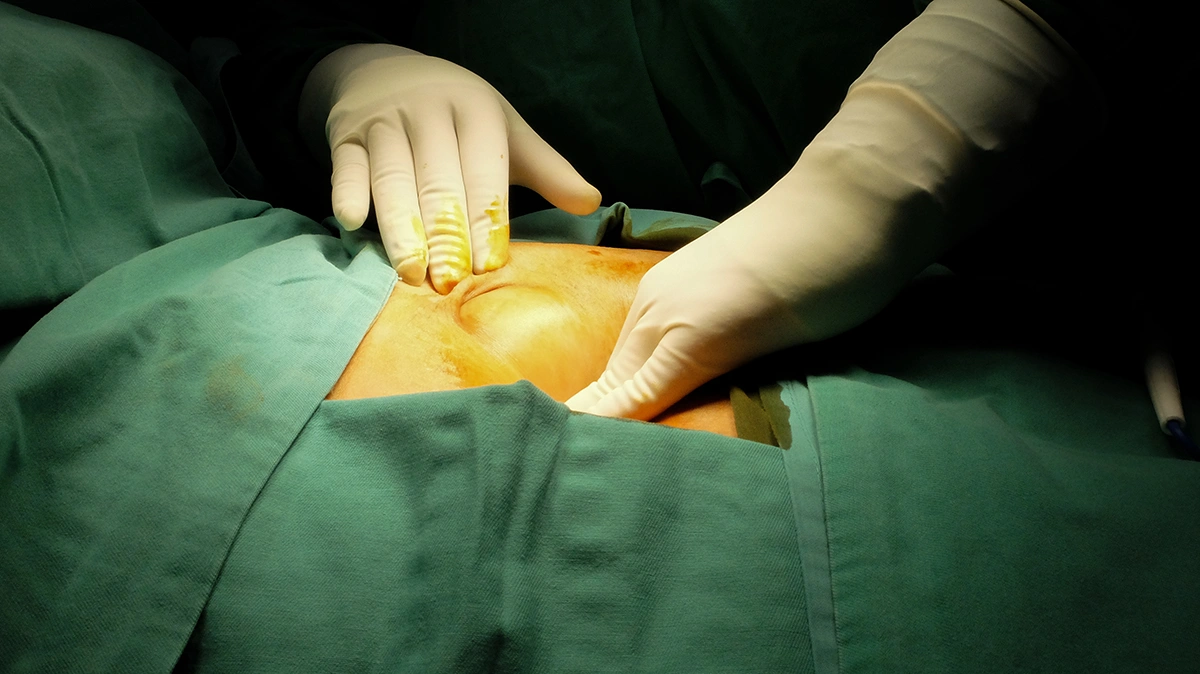

A hernia does not always present with obvious pain. For many, it begins as a subtle change, a slight bulge, a sense of pressure or discomfort that appears during certain movements and settles at rest. Because these signs can be easy to overlook, it is not uncommon for hernias to go unaddressed until they become more noticeable or start to interfere with daily life.
When that happens, questions around treatment often follow. Hernia repair surgery remains the only definitive solution, with the aim of returning displaced tissue to its proper position and reinforcing the weakened area to reduce the risk of recurrence. With a range of surgical approaches now available, from traditional open techniques to minimally invasive procedures, understanding these options can help guide more informed and confident decisions during consultation.
Main Surgical Approaches
The most suitable surgical method depends on factors such as the type of hernia, its size, its location and your overall health. Each approach is designed to safely repair the defect while supporting recovery in different ways.
Open Hernia Repair
Open hernia repair is a well-established technique that has been used for many years. During this procedure, the surgeon makes a single incision over the affected area to access the hernia directly. The protruding tissue is carefully returned to its proper place, and the weakened muscle wall is repaired with stitches or reinforced with surgical mesh.
This approach is often recommended for larger or more complex hernias. It may also be suitable for individuals who have had previous abdominal surgeries, where scar tissue can make minimally invasive techniques more challenging.
Laparoscopic (Keyhole) Hernia Repair
Laparoscopic hernia repair is a minimally invasive option performed through several small incisions. A thin tube with a camera, known as a laparoscope, is inserted to provide a clear view of the internal structures. Specialised instruments are then used to repair the hernia from within the abdomen.
To improve visibility, the abdomen is gently inflated with gas during the procedure. Compared to open surgery, this approach is often associated with smaller scars, less post-operative discomfort and a quicker return to daily activities for suitable patients.
Robotic-Assisted Hernia Repair
Robotic-assisted surgery is a more recent advancement that builds on laparoscopic techniques. The procedure is still performed through small incisions, but the instruments are attached to robotic arms controlled by the surgeon from a console.
This setup allows for enhanced precision, improved dexterity and a magnified three-dimensional view of the surgical area. It can be particularly helpful in complex cases or when operating in areas that are more difficult to access. Recovery outcomes are generally similar to laparoscopic surgery, including reduced discomfort and faster healing for appropriate cases.
Emergency vs Planned (Elective) Hernia Surgery
Most hernia repairs are carried out as planned procedures. This allows time to prepare for surgery, optimise existing medical conditions and choose the most appropriate technique. Planned surgery is generally associated with lower risks and a smoother recovery process.
In contrast, emergency surgery is required when complications develop. These may include strangulation, where the blood supply to the trapped tissue is cut off, or bowel obstruction. In such situations, prompt intervention is necessary to prevent serious consequences. Because the body is already under strain, recovery may take longer compared to elective procedures.

Signs a Hernia Needs Emergency Surgery
While many hernias can be managed with planned treatment, certain symptoms should not be ignored. These may indicate complications that require urgent medical attention.
You should seek immediate care if you experience:
- Sudden, severe or worsening pain at the hernia site, especially if it feels different from usual discomfort
- Nausea or vomiting that develops alongside the pain
- A bulge that becomes firm, tender or changes colour, such as turning red or darker
- Difficulty pushing the hernia back in when it was previously reducible
- Inability to pass gas or have a bowel movement, which may suggest bowel obstruction
Techniques for Closing the Hernia
Once the hernia has been repositioned, the next step is to repair the weakened area of the muscle wall. This is essential to reduce the likelihood of recurrence. There are two main techniques used.
Mesh Repair
Mesh repair is the most commonly used method today. A sterile surgical mesh is placed over or under the defect to reinforce the area. The mesh acts as a supportive layer, allowing the body’s tissue to grow into it over time. By reducing tension on the surrounding muscles, this technique has been shown to lower the risk of the hernia returning, particularly for larger defects.
Tissue (Non-Mesh) Repair
In some cases, the surgeon may repair the hernia using sutures alone. This involves stitching the surrounding tissue together without placing mesh. This method may be suitable for smaller hernias or when mesh is not recommended, such as in certain infection-related situations. However, for larger hernias, tissue repair alone may carry a higher chance of recurrence compared to mesh-based techniques.
Moving Forward with the Right Approach
Deciding on hernia surgery is not just about choosing a technique, but understanding what suits your condition and lifestyle. With a range of effective options available, treatment can often be tailored to support both recovery and long-term outcomes.
If you have been living with a hernia or are unsure whether your symptoms need attention, seeking a professional assessment can provide clarity. At HKS Hernia Clinic led by Dr Ho Kok Sun, you can receive a careful evaluation and be guided through the appropriate next steps. Schedule a consultation to find out more.
Meet Our Colorectal Surgeon in Singapore
Dr Ho Kok Sun
Consultant Colorectal & General Surgeon
MBBS (Singapore), M Med (General Surgery) (Singapore)
FRCS (General Surgery) (Edinburgh), FAM (Singapore)
Dr Ho Kok Sun has been committed to treating colorectal cancer through minimally invasive surgical techniques for over two decades. Dr Ho was previously President of the ASEAN Society of Colorectal Surgeons and the Society of Colorectal Surgeons (Singapore), as well as a founding member of the Eurasian Colorectal Technologies Association. Dr Ho was actively involved in the training of medical students and residents and has published widely in reputable journals and book chapters. He believes that treatment should always be personalised to the patient’s needs.