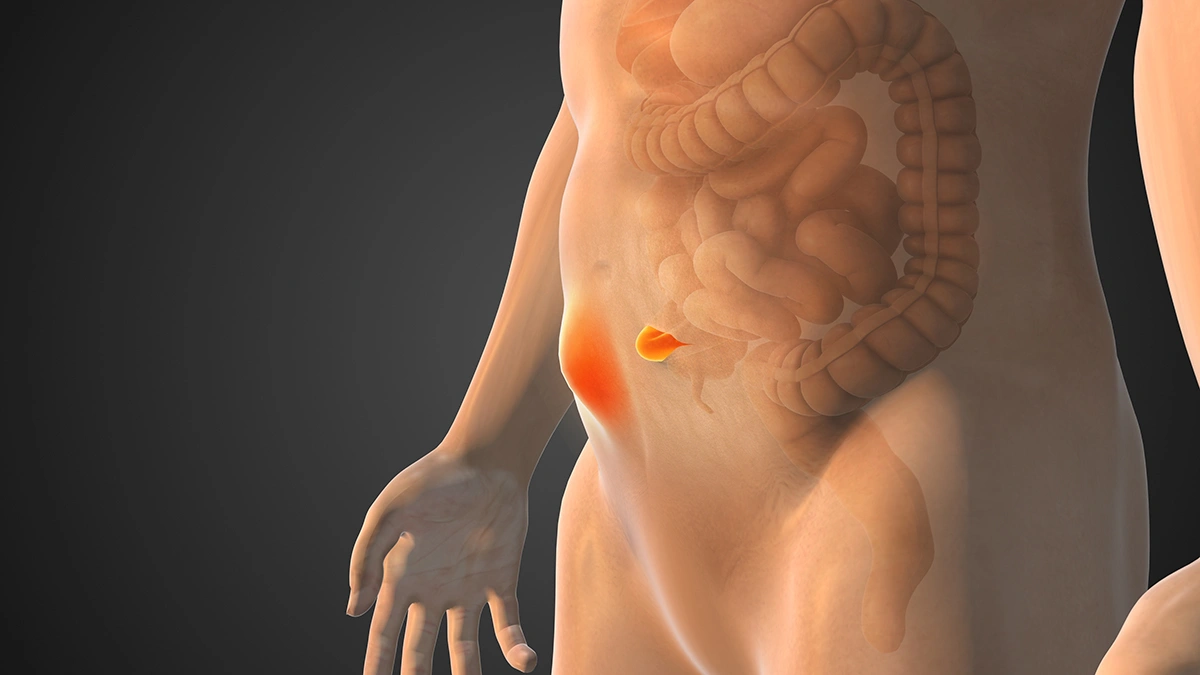

Have you ever noticed a small lump or a pulling sensation in your abdomen or groin and wondered if it is something to be concerned about? It may only appear when you stand, cough or lift something heavy, before fading just as quickly. Because it is not always painful, it can be easy to dismiss at first.
However, these subtle changes can sometimes point to a hernia, which occurs when an internal organ or tissue pushes through a weakened area in the surrounding muscle or connective tissue. Hernias are typically classified by where they develop and how they form. Understanding the different types can help you spot early signs and know when it is time to seek medical advice.
1. Inguinal Hernia
An inguinal hernia develops in the groin when tissue, often part of the intestine or fatty tissue, pushes through a weak spot in the abdominal wall into the inguinal canal. It is the most common type, making up around 70 per cent of abdominal wall hernias.
-
Who Is at Risk?
This type occurs more frequently in men due to natural anatomical differences. The inguinal canal in men contains the spermatic cord, which creates a potential area of weakness.
-
Symptoms
You may notice a bulge on one or both sides of the groin. It often becomes more visible when standing, coughing or straining. Some people also experience an aching or burning sensation that worsens with activity.
2. Femoral Hernia
-
Who Is at Risk?
Femoral hernias appear slightly lower than inguinal hernias, just below the groin crease in the upper thigh. They occur when tissue pushes through the femoral canal, a narrow space that carries blood vessels.
Unlike inguinal hernias, femoral hernias are more common in women, particularly older women, due to the wider shape of the female pelvis. Because the canal is narrow, there is a higher risk of the hernia becoming trapped.
-
Symptoms
Some people have no obvious symptoms, while others may notice a lump in the groin or upper thigh, sometimes accompanied by a dull ache or sudden sharp pain. Nausea and vomiting can occur if complications develop.
3. Umbilical Hernia
An umbilical hernia develops near the belly button, a naturally weaker area where the umbilical cord passes through during foetal development. While discomfort is often mild, hernias that persist or increase in size should be evaluated by a doctor.
-
Who Is at Risk?
Umbilical hernias are common in infants and often close on their own as the abdominal wall strengthens. In adults, increased abdominal pressure from obesity, multiple pregnancies or fluid in the abdomen can trigger their development.
-
Symptoms
Umbilical hernias appear as a soft bulge near the navel. In children, they are usually painless and often close on their own by age one or two as the abdominal muscles strengthen. In adults, however, umbilical hernias are more likely to cause discomfort or pain and can be accompanied by nausea, vomiting, or even blood in the stool. Unlike in children, adult hernias rarely resolve without intervention and often require surgical repair.

4. Incisional Hernia
An incisional hernia develops at the site of a previous surgical incision. Surgery can weaken the abdominal muscles, and if the incision does not heal properly or is subjected to strain, tissue may push through the scar. These hernias can appear months or even years after surgery.
-
Who Is at Risk?
Risk increases with factors such as wound infection after surgery, obesity, or returning to strenuous activity too soon during recovery.
-
Symptoms
Incisional hernias usually present as a visible or palpable bulge near a surgical scar. Discomfort may occur, particularly with movement or straining. Surgical repair is often required, sometimes using mesh to strengthen the abdominal wall and reduce recurrence.
5. Hiatal Hernia
Unlike other hernias that create an external bulge, a hiatal hernia occurs internally. It happens when the upper part of the stomach pushes through the diaphragm—the muscle separating the chest from the abdomen—into the chest cavity.
-
Who Is at Risk?
Hiatal hernias are more common in people over 50 or those who are overweight. They often result from gradual weakening of the diaphragm due to repeated strain, including chronic coughing, long-term constipation, obesity, frequent vomiting, heavy lifting, intense exercise, or pregnancy.
-
Symptoms
Small hiatal hernias may cause no symptoms. Larger hernias, however, can allow food and acid to back up into the oesophagus, leading to heartburn, acid reflux (GERD), or difficulty swallowing.
6. Epigastric Hernia
An epigastric hernia occurs in the upper central abdomen, between the navel and the bottom of the ribcage (sternum). These hernias are usually small, and a bulge may not always be noticeable, though pain or tenderness can occur.
-
Who Is at Risk?
Epigastric hernias most often affect adults aged 30 to 50. Risk rises with age-related thinning of the abdominal midline tissue and factors that increase abdominal pressure, such as chronic coughing, constipation, obesity, heavy lifting, and pregnancy.
-
Symptoms
Some epigastric hernias are symptom-free. When present, symptoms often include tenderness or a dull ache in the upper abdomen, which may worsen during the day or with straining and coughing. As they do not resolve on their own, surgical repair is usually necessary.
7. Spigelian Hernia
A Spigelian hernia is a relatively rare abdominal wall hernia that develops along the outer edge of the rectus abdominis muscle rather than in the centre or groin. Because it forms between muscle layers, it may not produce a visible lump, making early detection difficult.
-
Who Is at Risk?
These hernias are more common in adults, especially those with increased abdominal pressure. Risk factors include obesity, chronic coughing, pregnancy, heavy lifting, and sometimes previous abdominal surgery.
-
Symptoms
Symptoms can be mild and include localized pain, tenderness, or a dull ache along the side or lower abdomen. Discomfort often worsens with straining, coughing, or prolonged standing. Due to the risk of tissue becoming trapped, medical assessment is recommended if symptoms persist.
8. Diaphragmatic Hernia
A diaphragmatic hernia is usually a congenital condition caused by an abnormal opening in the diaphragm. This allows abdominal organs to move into the chest cavity, which can affect lung development and breathing, particularly in newborns.
-
Who Is at Risk?
This condition is typically present from birth and is not linked to lifestyle factors. It may be detected during pregnancy screening or shortly after delivery due to breathing difficulties.
-
Symptoms
Symptoms often appear early in life and may include breathing problems, rapid breathing, or poor feeding. Severe cases require urgent medical attention.
9. Para-Oesophageal Hernia
A para-oesophageal hernia is a type of hiatal hernia where part of the stomach pushes through the diaphragm and sits beside the oesophagus. Unlike sliding hiatal hernias, the stomach may become trapped in the chest, increasing the risk of complications.
-
Who Is at Risk?
These hernias are more common in older adults, often due to age-related weakening of the diaphragm and long-term increases in abdominal pressure.
-
Symptoms
Some people have no symptoms, while others may experience chest discomfort, difficulty swallowing, reflux, or early fullness after meals. In severe cases, reduced blood supply to the stomach can occur, requiring urgent medical attention.
Seeking Professional Care for Hernias
Not every hernia will cause immediate discomfort, but they rarely resolve on their own. Being aware of the different types can help you recognise when something is not quite right and seek advice before complications develop.
If you have noticed a lump, persistent discomfort or unusual pressure in your abdomen or groin, consider arranging a consultation with HKS Hernia Clinic in Singapore. Dr Ho Kok Sun and his team can provide a detailed evaluation and discuss treatment options suited to your lifestyle, helping you regain comfort and confidence in your daily activities.
Meet Our Colorectal Surgeon in Singapore
Dr Ho Kok Sun
Consultant Colorectal & General Surgeon
MBBS (Singapore), M Med (General Surgery) (Singapore)
FRCS (General Surgery) (Edinburgh), FAM (Singapore)
Dr Ho Kok Sun has been committed to treating colorectal cancer through minimally invasive surgical techniques for over two decades. Dr Ho was previously President of the ASEAN Society of Colorectal Surgeons and the Society of Colorectal Surgeons (Singapore), as well as a founding member of the Eurasian Colorectal Technologies Association. Dr Ho was actively involved in the training of medical students and residents and has published widely in reputable journals and book chapters. He believes that treatment should always be personalised to the patient’s needs.